The Hamptons Experiences of the Moment
Stretching along the South Fork of Long Island, the Hamptons have earned their reputation not just for the scene but for what surrounds it: miles of open Atlantic beach, a serious art history, working farms that supply the restaurants, and a string of villages each with its own character.
Whether you are drawn by the ocean, the culture, or simply the quality of a summer afternoon, there is always more here than a single trip allows.
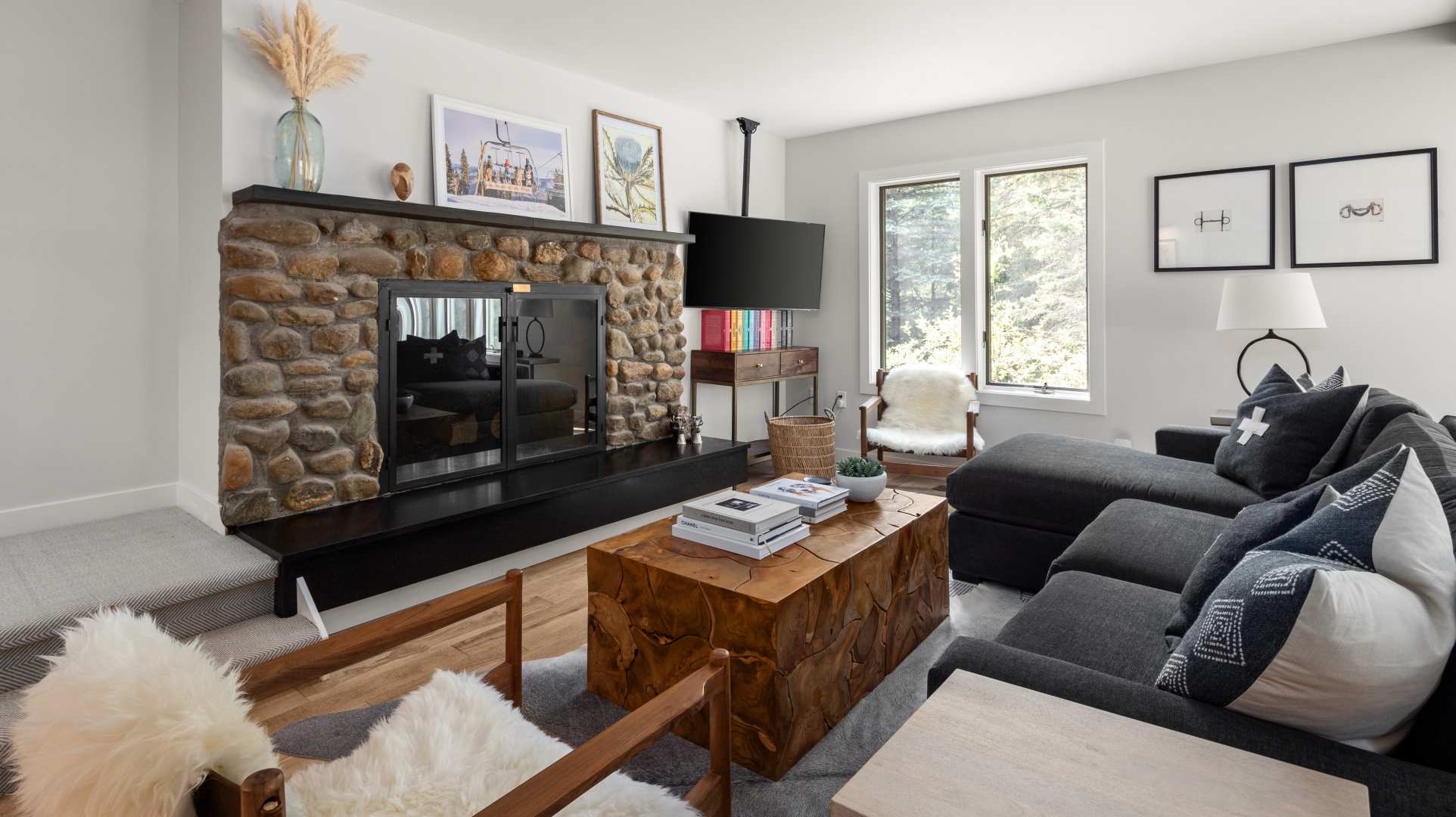
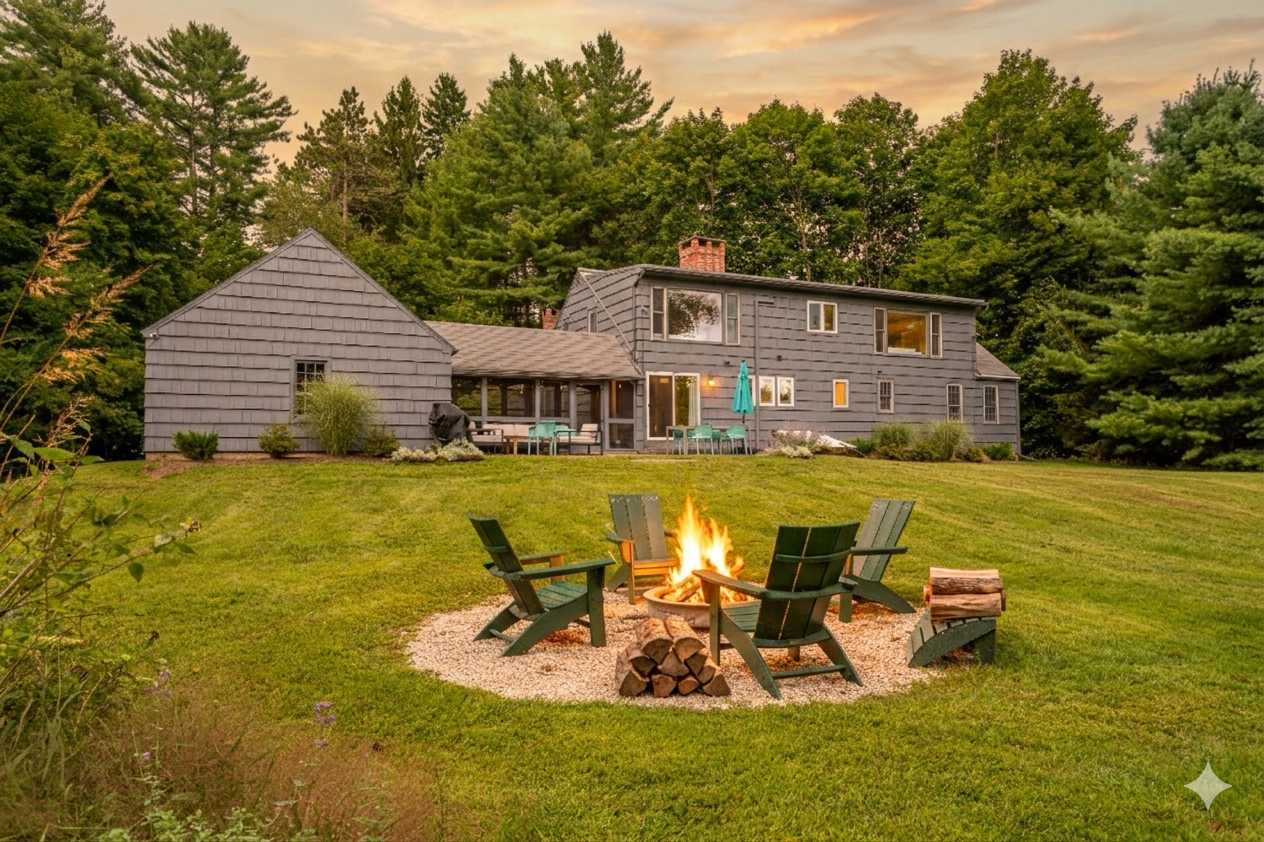
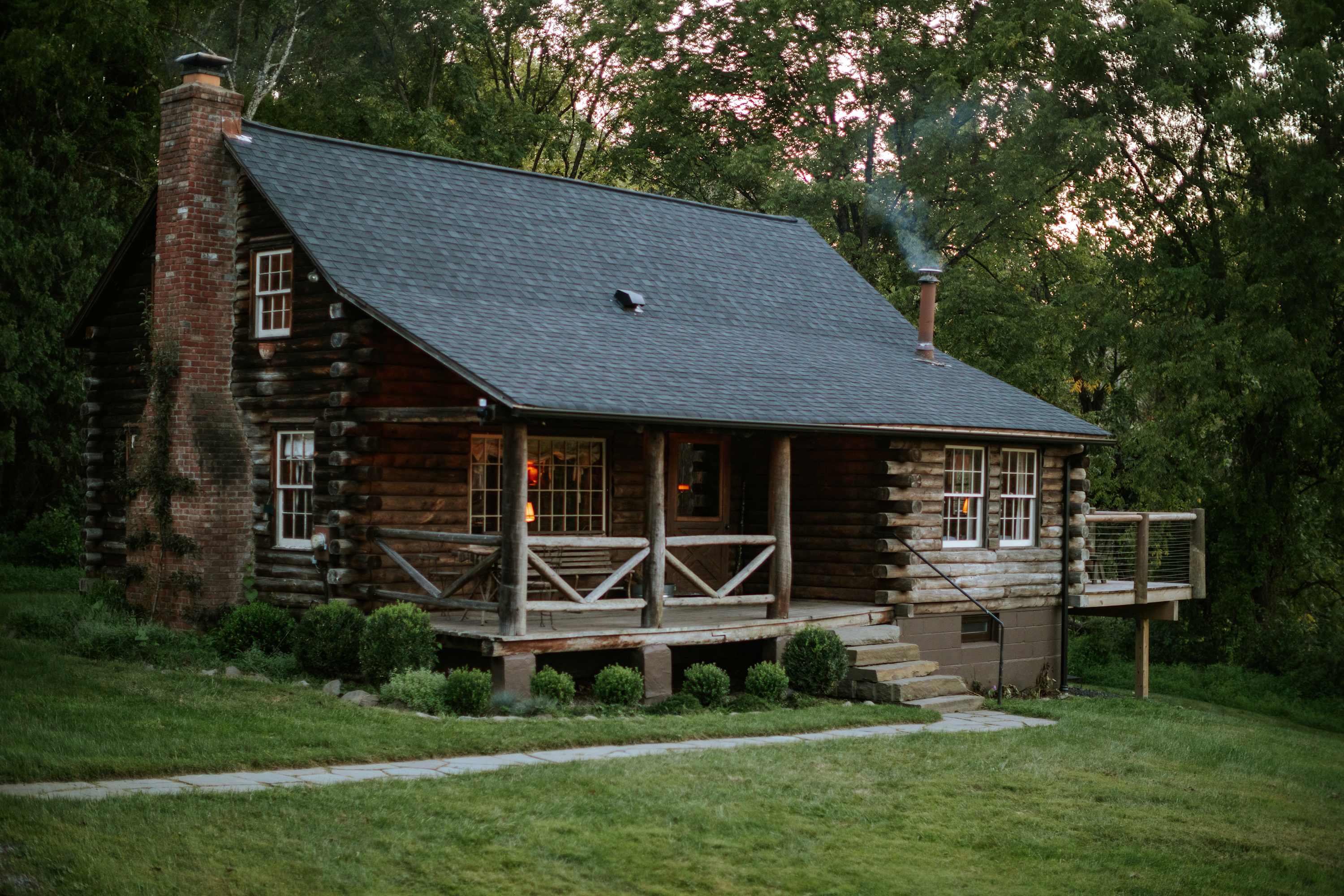
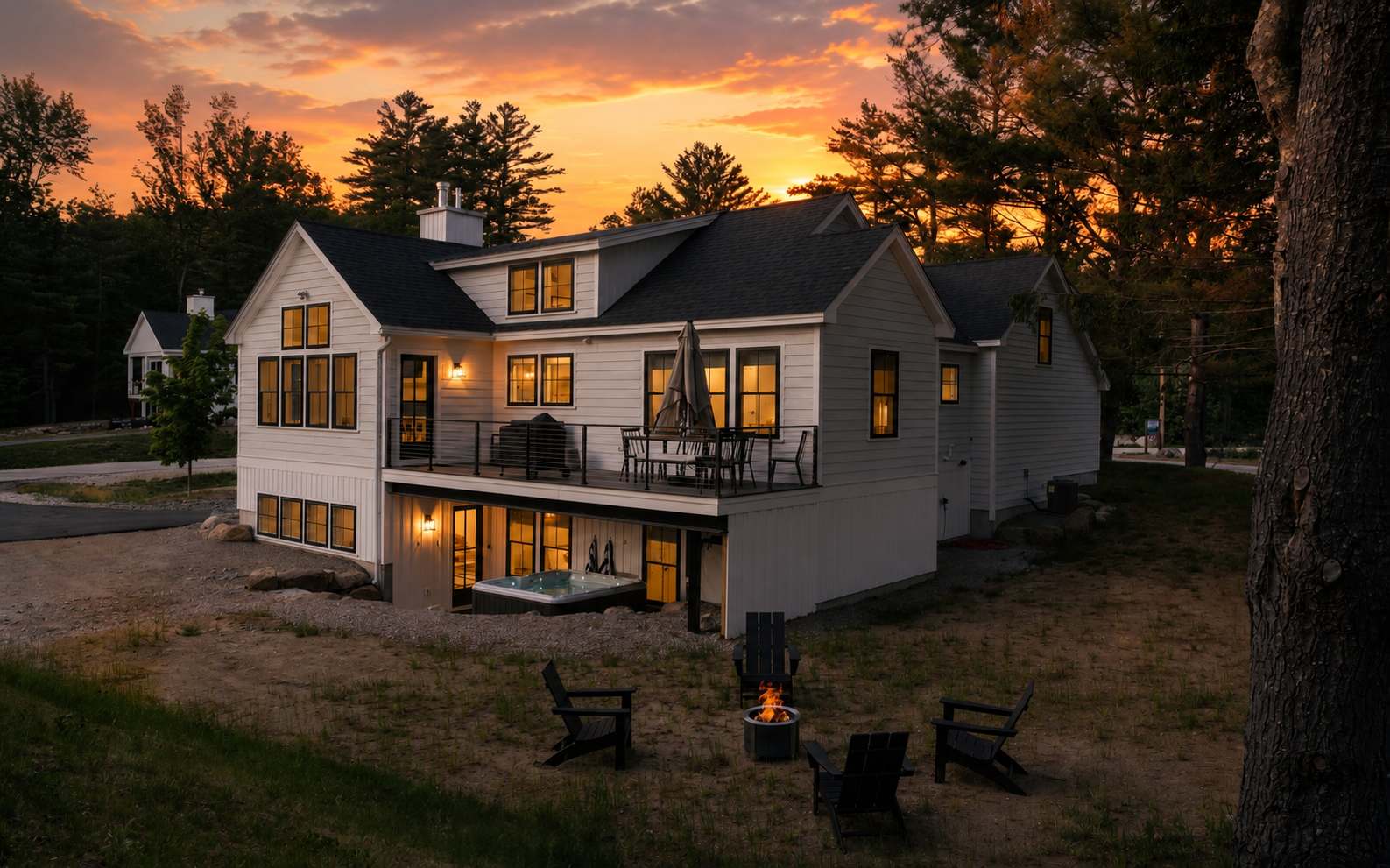
And when you are ready to plan your stay, a Red Cottage home puts you at the center of it all, with the space and ease to make every day feel intentional.
Start at the Beach
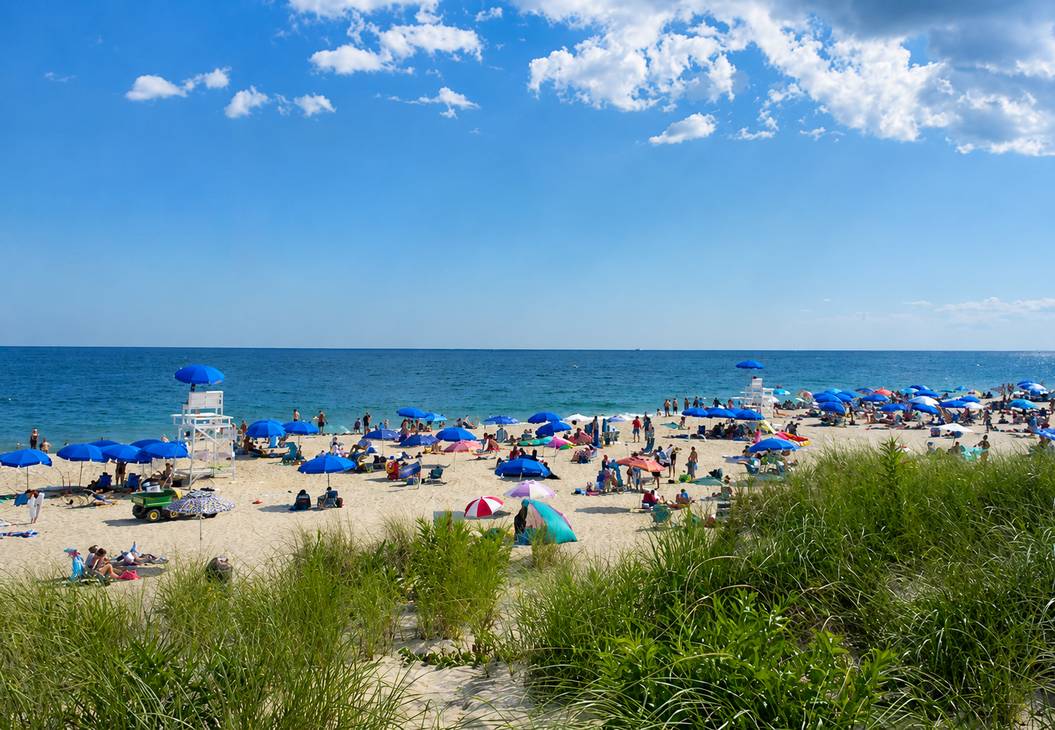
Cooper’s Beach, Southampton
Cooper’s Beach is one of the most celebrated stretches of Atlantic shoreline in the country, a 500-foot ribbon of pale sand backed by historic shingled estates that carries the energy of a private beach club without any of the membership. The water is clear, the dunes are protected, and arriving with no particular schedule is the right approach.
- Rating: 4.7 stars (1,600+ reviews)
- Address: 268 Meadow Ln, Southampton, NY 11968
- Heads up: Parking runs approximately $55 in summer, card only
Ditch Plains Beach, Montauk
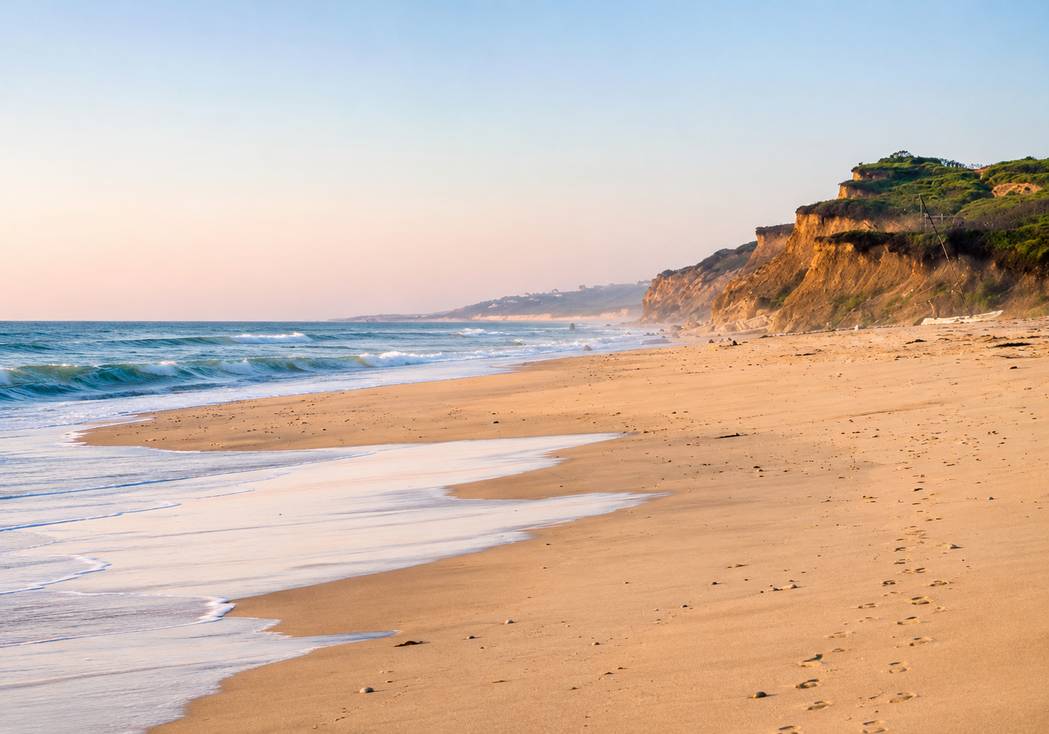
Ditch Plains is Montauk’s surfers’ beach, known for a consistent Atlantic break and a sunbleached atmosphere that feels nothing like the more polished stretches to the west. Longboarders, families, and first-timers share the sand comfortably, and for anyone new to surfing, it is one of the most welcoming places on the East End to take a first lesson.
- Rating: 4.7 stars (480+ reviews)
- Address: Ditch Plains Rd, Montauk, NY 11954
- Good for: surfers, beginners, watching the sunrise
The Cultural Life of the South Fork
Parrish Art Museum, Water Mill
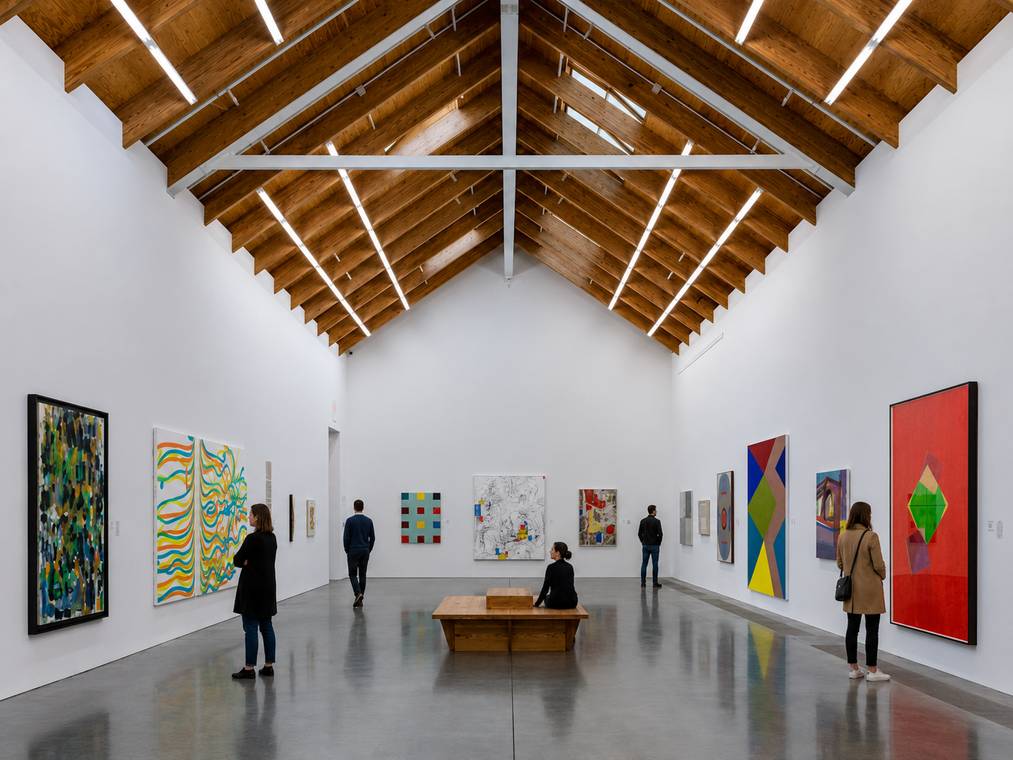
The Parrish Art Museum holds one of the strongest collections of American art focused on Long Island’s East End, housed in a long, low Herzog and de Meuron building that mirrors the surrounding farmland. Works by Fairfield Porter and William Merritt Chase fill its well-lit galleries, and the on-site cafe makes a slow afternoon here easy to justify.
- Rating: 4.5 stars (610+ reviews)
- Address: 279 Montauk Hwy, Water Mill, NY 11976
- Good for: rainy days, art lovers, slow afternoons
Pollock-Krasner House and Study Center, East Hampton
The Pollock-Krasner House is the preserved home and studio where Jackson Pollock and Lee Krasner lived and worked from 1945, including the paint-splattered floor where Pollock’s drip paintings were made. Open by appointment from May through October, it is one of the quieter and more genuinely moving stops on the East End.
- Rating: 4.5 stars (125+ reviews)
- Address: 830 Springs Fireplace Rd, East Hampton, NY 11937
- Note: Book ahead; tours are kept intentionally small

Sag Harbor Whaling and Historical Museum
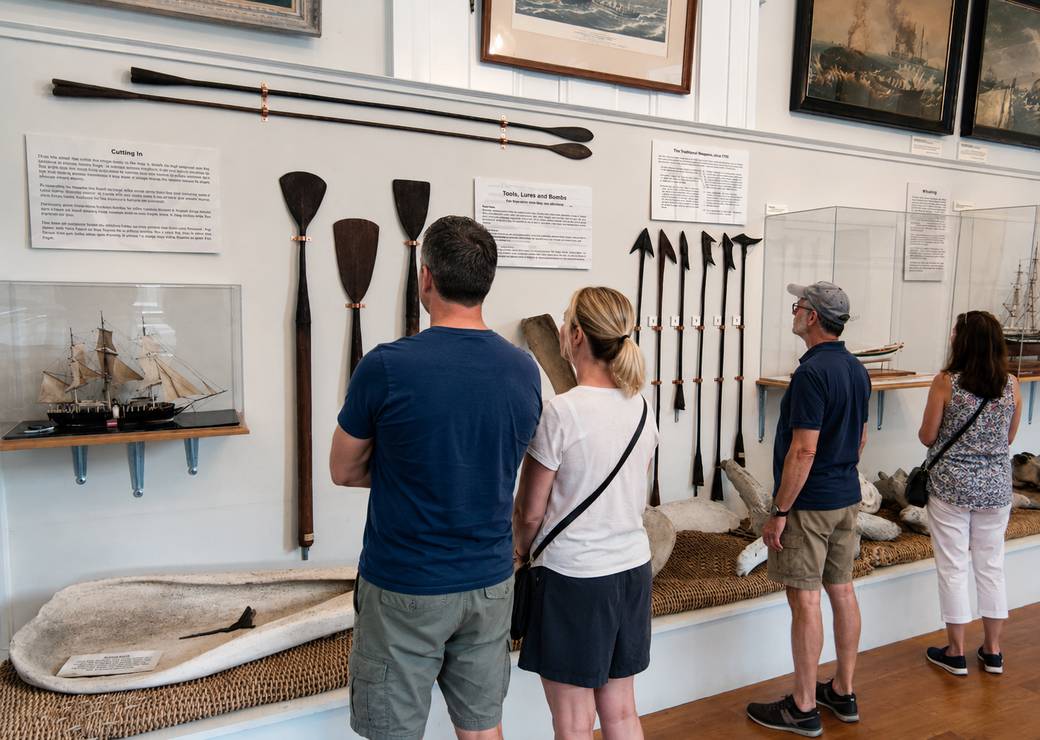
The Sag Harbor Whaling and Historical Museum is housed in a Greek Revival mansion, filled with harpoons, scrimshaw, ship logs, and a beautifully preserved sperm whale jaw at the entrance. Dense with history and easy to move through, it is the kind of small museum that stays with you, and children tend to love it more than expected.
- Rating: 4.5 stars
- Address: 200 Main St, Sag Harbor, NY 11963
- Good for: families, history readers, rainy hours
Where to Eat and Drink
Clam Bar at Napeague, Amagansett
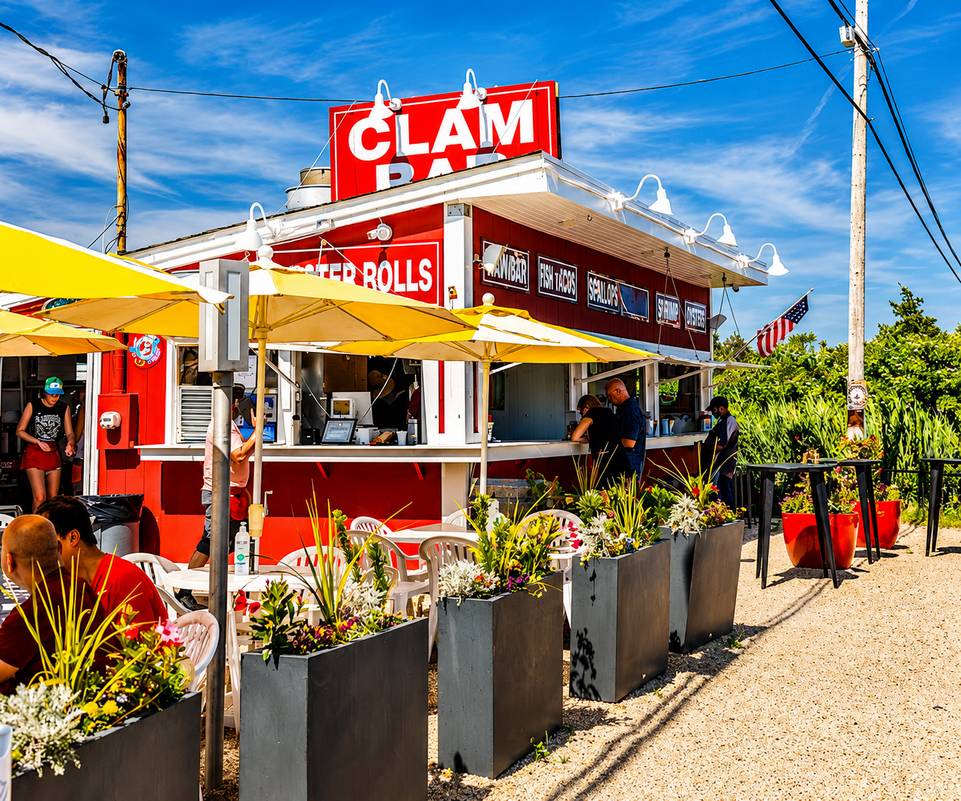
The Clam Bar at Napeague is an outdoor seafood shack across the highway from the dunes, with picnic tables, bright umbrellas, and a lobster salad sandwich on brioche that stays with you long after the summer ends. Best on a sunny afternoon with a cold beer and no particular hurry.
- Rating: 4.2 stars (1,050+ reviews)
- Address: 2025 Montauk Hwy, Amagansett, NY 11930
- Best for: long lunches outside
Carissa’s The Bakery, Amagansett
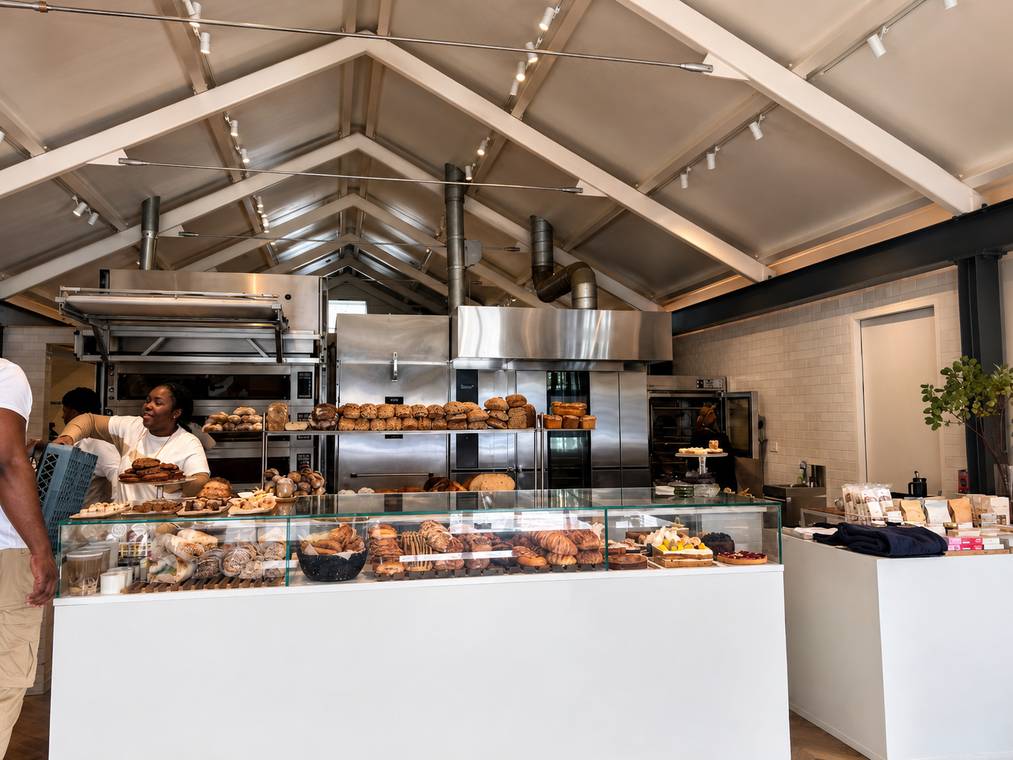
Carissa’s is East Hampton’s most beloved bakery, known for crusty country breads, exceptional croissants, and a morning bun worth rearranging your plans for. Saturday mornings here have the warm, unhurried energy of a neighborhood that knows what it has. Go at opening, or plan to wait.
- Rating: 4.2 stars (310+ reviews)
- Address: 221 Pantigo Rd, East Hampton, NY 11937, United States
- Best for: breakfast, mid-morning treats, picnic supplies
Wölffer Estate Vineyard, Sagaponack
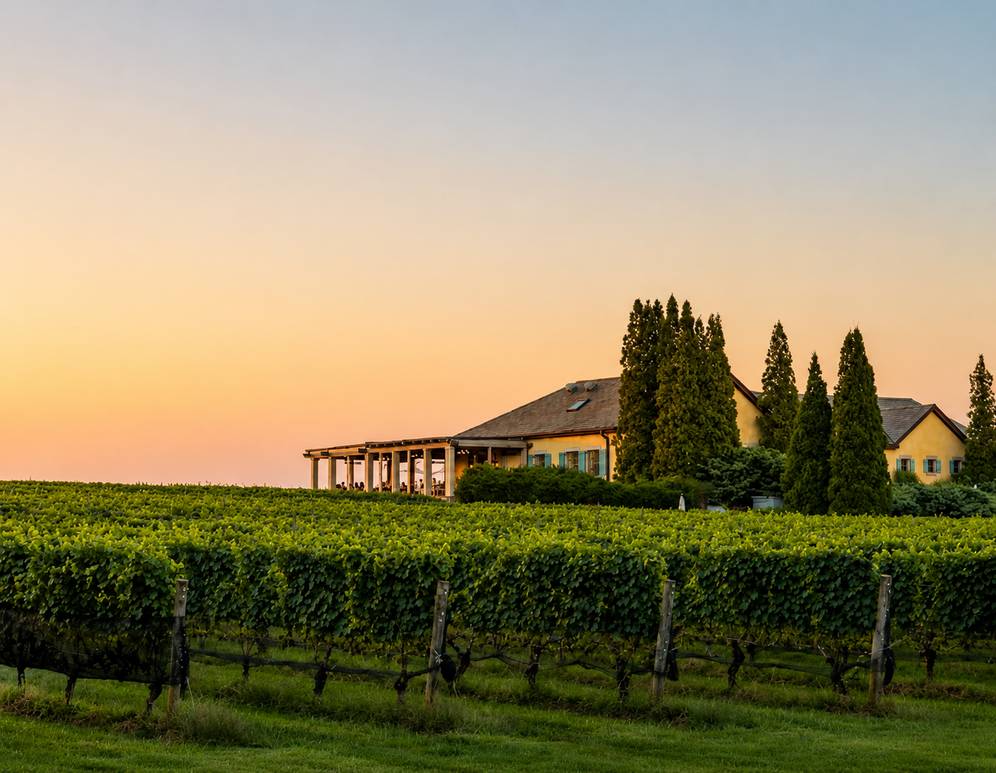
Wölffer Estate is the Hamptons’ most recognized winery, set among long rows of vines in Sagaponack with a rosé popular enough to ship nationwide. The Friday and Saturday Twilight Jazz sessions, picnic blankets welcome, are among the most pleasurable ways to end a day on the South Fork.
- Rating: 4.3 stars (700+ reviews)
- Address: 139 Sagg Rd, Sagaponack, NY 11962
- Best for: afternoon tastings, summer evenings, picnic-style wine
Parks, Gardens, and a Few Good Nights Out
Montauk Point State Park
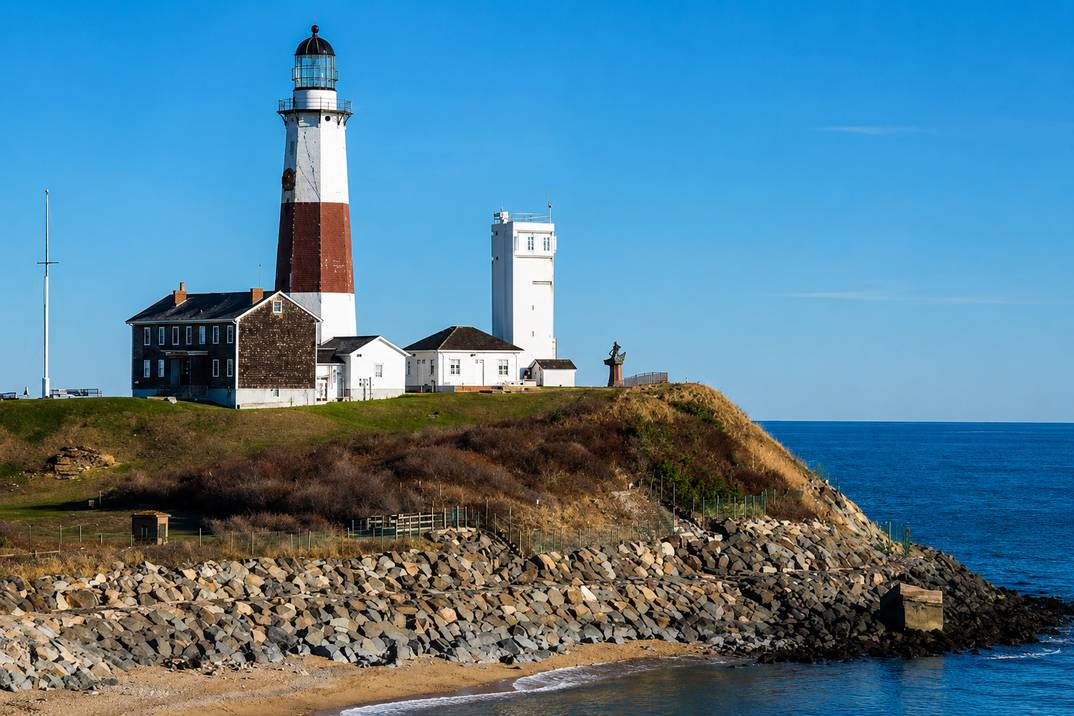
Montauk Point State Park wraps around the lighthouse and gives you the wildest stretch of the South Fork: rocky beaches, coastal scrub, and trails that wind down to the Atlantic cliffs. In winter, harbor seals gather on the offshore rocks from December through April, and the quiet feels nothing like summer.
- Rating: 4.8 stars
- Address: 50 S Fairview Ave, Montauk, NY 11954
- Good for: hiking, birding, off-season visits
The Madoo Conservancy, Sagaponack
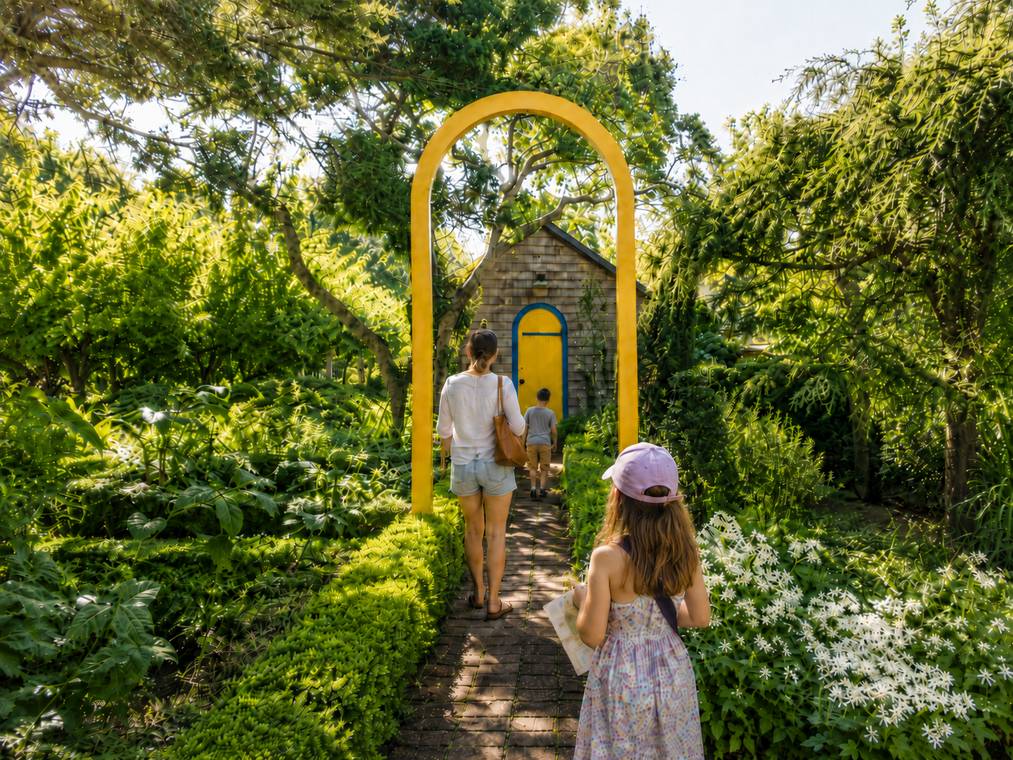
The Madoo Conservancy is a two-acre garden in Sagaponack created by the late artist Robert Dash, where painted bridges, architectural topiary, and carefully considered plantings shift through the season. Small but deeply intentional, it is one of the more personal and memorable stops on the East End. Open limited hours from May through September.
- Rating: 4.7 stars
- Address: 618 Sagg Main St, Sagaponack, NY 11962
- Good for: garden lovers, photographers, a slow hour
Guild Hall, East Hampton
Guild Hall has been the cultural anchor of East Hampton since 1931, with a serious exhibition program and a theater that hosts author readings, summer concerts, and the occasional comedy night. It holds the community together without calling attention to itself. Walk in, see what is showing, and check the calendar.
- Rating: 4.8 stars (150+ reviews)
- Address: 158 Main St, East Hampton, NY 11937
- Good for: an evening out, exhibition openings

Make It a Red Cottage Stay
The Hamptons remain one of New York’s most enduring destinations, known for their ocean beaches, serious cultural life, and a summer rhythm that rewards those who know where to look.
Whether you are planning a long weekend or a longer escape, there is always more to discover than a single trip allows.
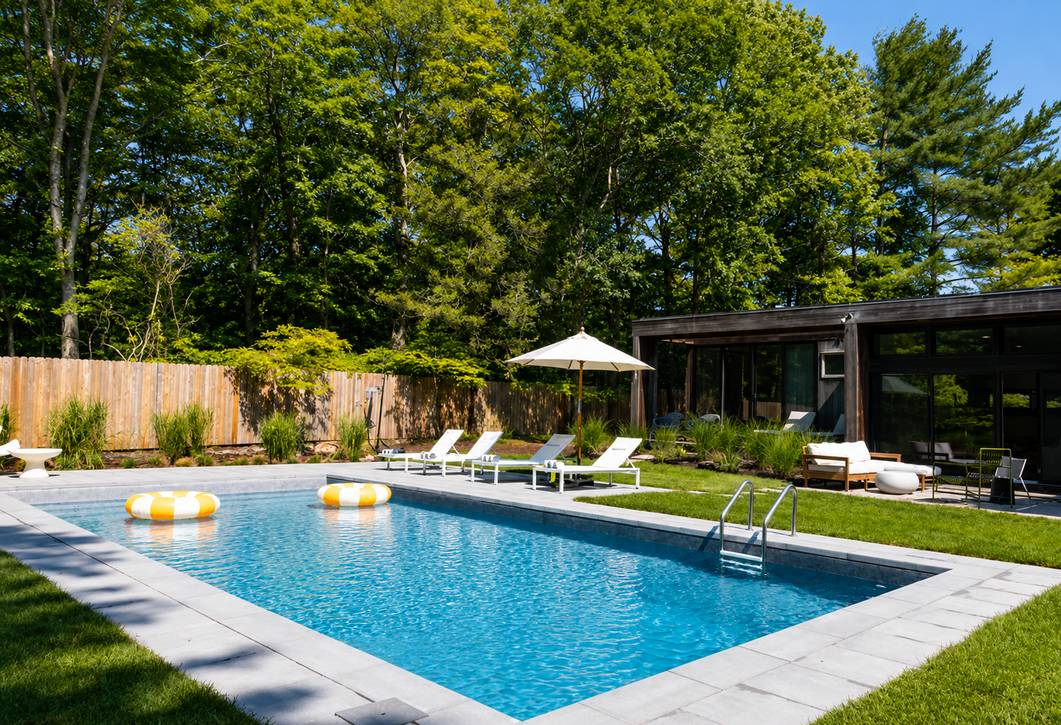
To make the most of your visit, book a Red Cottage home in The Hamptons and settle into a thoughtfully designed home at the heart of the South Fork.
Frequently Asked Questions
What is the best thing to do in the Hamptons for first-time visitors?
Start with a beach. Cooper’s Beach in Southampton and Main Beach in East Hampton are the easiest introductions to what makes the South Fork special. Pair it with a meal at the Lobster Roll and a tasting at Wölffer Estate, and you have already seen the soul of the place.
How many days do you need in the Hamptons?
Two nights is enough for a relaxed weekend that covers one or two villages. Three to four nights is the sweet spot if you want to also explore Montauk, hit a museum, and have a slow morning at a farmers market.
Are the Hamptons worth visiting outside of summer?
Yes. Spring and fall are arguably the best times to go. The light is gentle, the beaches are open and uncrowded, and most of the wineries, museums, and shops still run normal hours. Winter is quiet but the lighthouse, state park, and a handful of restaurants stay open all year.
Can you visit the Hamptons without a car?
Technically yes (the Long Island Rail Road and the Hampton Jitney both go out from New York City), but you will want a car or a hired driver to move between villages, get to the beaches, and reach Montauk. The towns are not walkable to each other.